Pantone Tritone Postcards

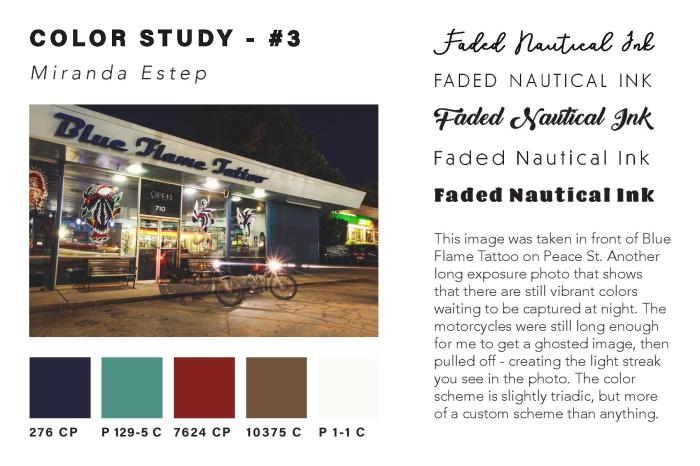
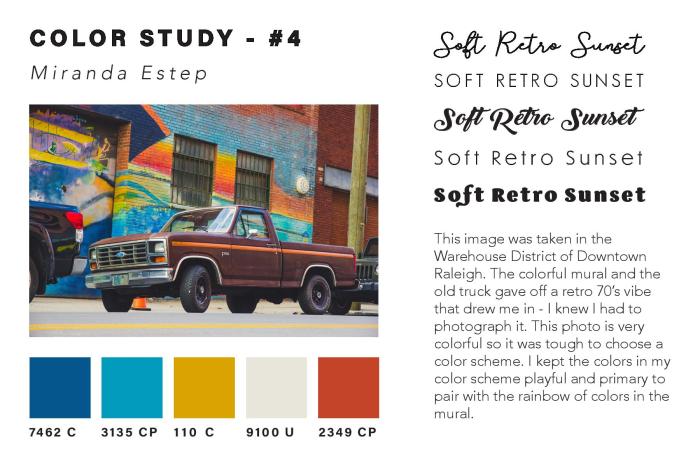
In my most recent project in Illustrative Imaging we were told to take four photos that focused on color and had a theme connecting them. I chose to take photos in the city of Raleigh, NC where I live. The theme for my photos was street photography / urban scenes. Below are the four original photos I took and chose to use for this assignment:

I thought these were the most colorful that I had taken and so would work well for this assignment. The next step was to take these photos and do color studies on them. I used the Adobe Color Wheel (you can find it here) to help me do this. After logging in with my Adobe ID on the site, I then clicked “import image” and uploaded each of the images to get a color scheme from them. The automatically chosen colors were not the best, so I had to adjust some of the points on the image where it was pulling color from until I got a result that I liked. I then clicked “save color theme” for each of the themes I created using the images, so that they would be saved as swatches in my Adobe Creative Cloud account – this way I could access them across all platforms.

In order to find the Pantone matches of the colors I chose, I visited Pantone’s website and searched each color from my color theme’s by their “HEX” number in the Pantone search feature. By doing this I was able to find Pantone colors that most closely matched the colors I had chosen for my color themes using the Adobe Color Wheel.

Once I had all of the Pantone names for my colors, I added them as swatches in my color study document underneath each of my photos. I then created a title for each of my images in five different fonts to see what font fit best with the image. I also wrote a description for each image, describing my concept and why I chose it. You can see the finished color study document below:
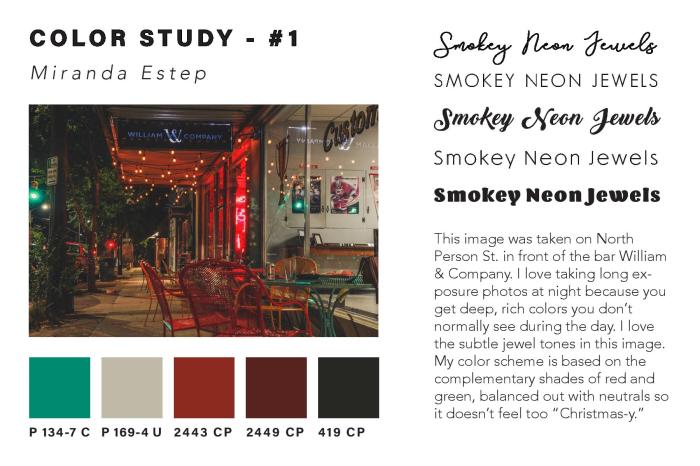
Estep-Colorstudy-page-001Estep-Colorstudy-page-002Estep-Colorstudy-page-003Estep-Colorstudy-page-004 After creating the color study for each image and assembling it into one InDesign
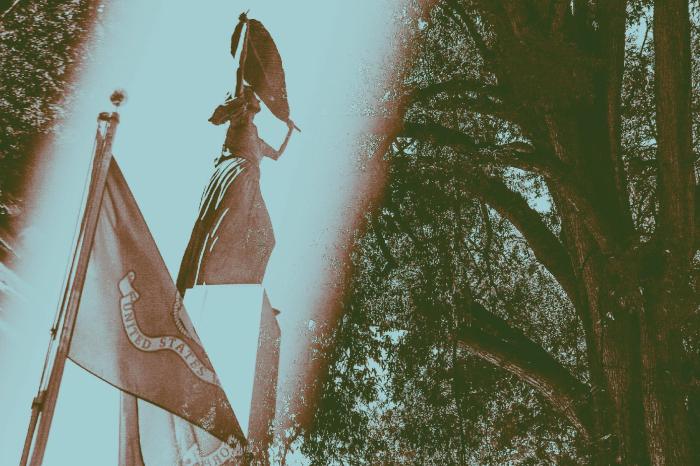
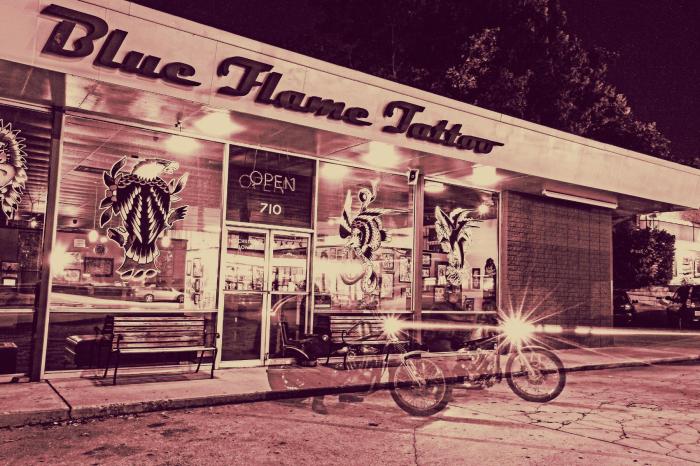
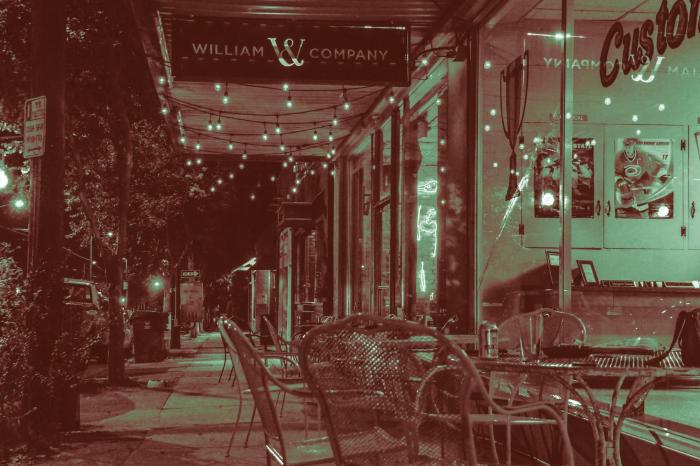
document, I then created Tritone images using my images and the Pantone swatches I chose during my color study. I used this Lynda.com video tutorial to create the tritone images. During the process I discovered that some of the original color swatches I chose were not showing up well together as a duotone or tritone image. Because of this, I chose different Pantone Coated color swatches for all of my images. I chose colors that were close to the original color swatches, but showed up clearly in the tritone image. My goal for the tritone image was to be able to distinguish each of the three color swatches individually. This way each color swatch added something to the image and was not lost to the viewer.

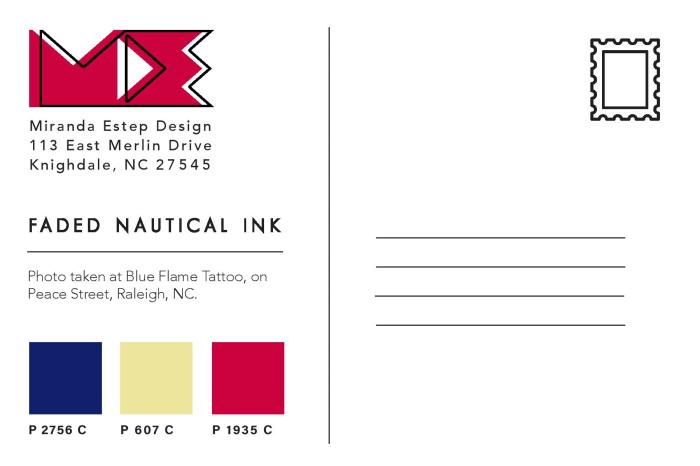
Below are all three of my final tritone images as postcard designs, featuring the three Pantone Coated swatches on the back and my personal logo, Miranda Estep Design, in the color of one of the swatches.
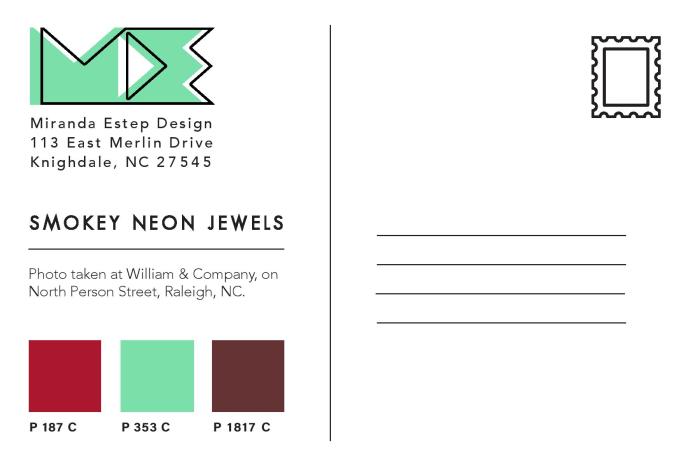
Estep-Miranda-Pantone-1-2-3-page-001Estep-Miranda-Pantone-1-2-3-page-002Estep-Miranda-Pantone-1-2-3-page-003Estep-Miranda-Pantone-1-2-3-page-004Estep-Miranda-Pantone-1-2-3-page-005Estep-Miranda-Pantone-1-2-3-page-006
I really enjoyed this assignment because it challenged me as a photographer as well as a designer. I learned a lot about Pantone colors that I had not previously known and it gave me a new level of respect for Pantone. I would highly suggest any designer experiment with this assignment themselves.
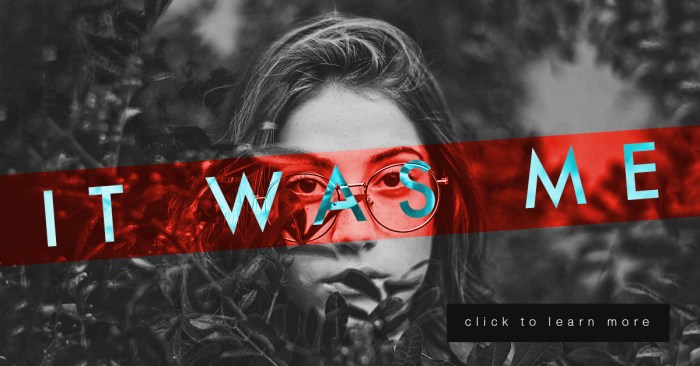
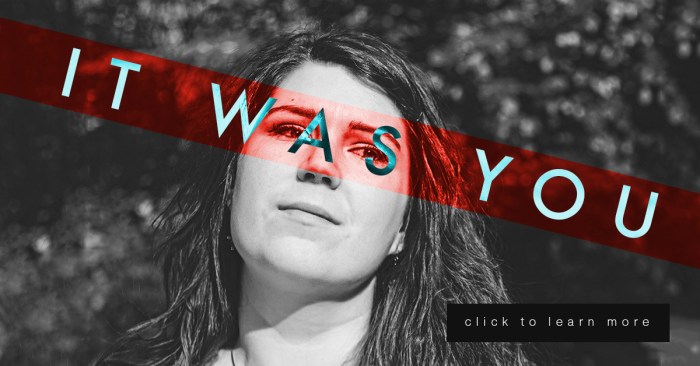
“Portraits with Purpose” Social Media Ads

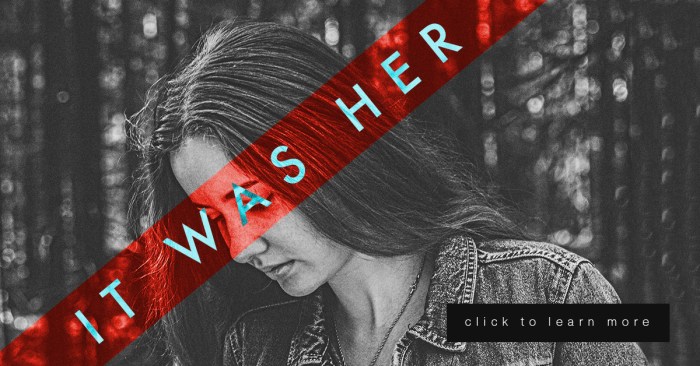
This week is a continuation of my last project in Illustrative Imaging, in which we took three portraits and created a social media campaign concept that would tie them together. This week we added a text “tagline” and a “call to action” button. My concept for these portraits was building on the #metoo campaign and the controversy it sparked. My portrait series and social media campaign is in response to the doubt and backlash women received after coming forward to report sexual assault. My campaign is an answer to those who ask “Who are all these women coming forward with allegations?” well, “It was her.”

For this series, there are three images of women so I decided to use a different phrase for each, which were the following: “It was her” “It was you” and “It was me.” They each draw attention to the fact that there are many individuals out there who have been sexually assaulted that are not making false allegations.

Each portrait will link the viewer to an interview with each sexual assault victim and will ask for a donation to the #metoo charity fund that goes towards the aid of sexual assault victims.

I did many sketches and variations of my design (included below) but I kept coming back to the idea of the women’s mouth or eyes being covered. The mouth or eyes being covered symbolizes the suppression of the woman’s voice and the blindness of society to the victims. So, I decided to use a technique from the “Bada** Photoshop Effects” book we are reading in class. In the book they use different layer styles to overlay text on images in interesting ways.

To create these images, I first made a red rectangular shape to go over the eyes and changed the layer style to “overlay.” I then put white text over the image and changed the text layer style to “difference.” I thought it was a very interesting effect. (Images below.)

Estep-Social03

Estep-Social02.jpg

Estep-Social01

8 Tips for Improving Dog Photography

As a hobby photographer, I love learning new tips and tricks about how to improve my photography skills. I’ve seen many articles out there that cover similar topics, like this one by Zuke’s, which I really enjoyed. Zuke’s is one of my favorite dog treat & supplement companies, so I was very interested in what they had to say about pet photography.

Zuke’s talks about Lori Fusaro and how she began photographing dogs. She volunteers to photograph homeless dogs who are up for adoption to increase their chances of finding a home – an AMAZING undertaking on her part.

A lot of people don’t know that most animal rescue organizations do not have the time or funds to hire professional photographers to photograph the animals in their care. Many dogs listed for adoption online have dark, blurry, pixelated photos – or no photos at all.

Lori’s story is inspirational and should encourage all of you to offer your help to your local animal rescue. Lori’s photography tips are all useful as well (see them here) but I have a few more to add myself.

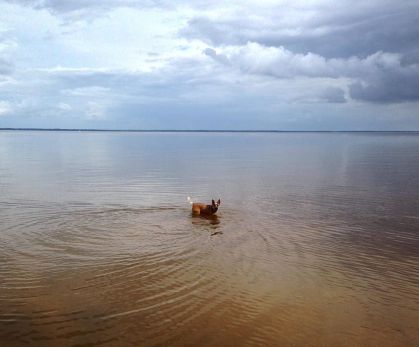
1. Photograph your dogs outdoors. Outdoor shots can provide dynamic results.

original (6)

2. Photograph during the “golden hour” – the hour or two before sunset that provides a diffused, “golden” light which is ideal for photos.

original (7)

3. Make sure your shutter speed isn’t too slow. Dogs move fast and you don’t want blurry pictures.

original (1)

4. Take your dogs leash off – with editing!  Set your fears at ease by simply editing your dog’s leash out of pictures with the “heal” or “clone” tool during the editing process. (You can also edit off their collar.)

5. Focus on the eyes. Make sure your dog’s eyes are in focus in close up shots and brighten them during the editing process afterwards.

IMG_9090

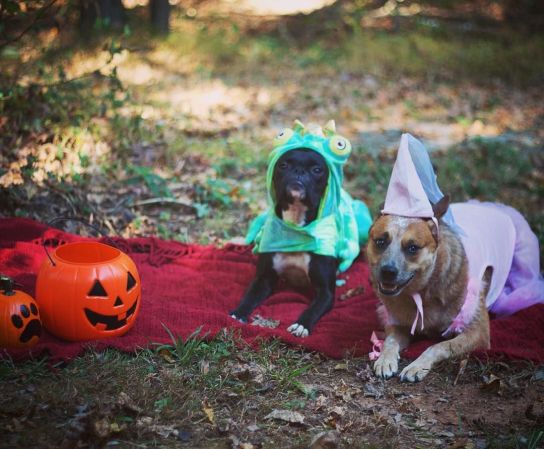
6. Use props. Most good photographers already know this – but don’t be afraid to experiment. Have your pup hold an object in it’s mouth, like a branch, flower or other object related to the scene they’re in.

original (2)

7. Squeak at your dog! If you feel like you’re losing your dogs attention (treats and toys aren’t cutting it ) make the weirdest high-pitched noises you can think of. It works – I promise.

IMG_8982

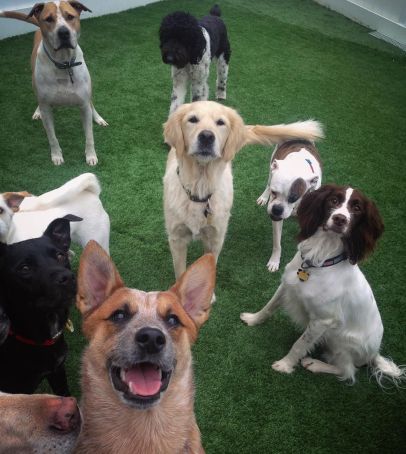
8. Have a playdate. Photos with multiple dogs provides great variety if your solo shots are getting stale. Try visiting a dog park or hang out with a friend that has a dog.

original (5)
There are MANY more tips out there, but the most important thing to remember is to do what works best for you, your camera and your dog – so get out there and start shooting!

If you have any questions about photography, dogs or anything else, be sure to leave a comment below and I’ll get back to you. If this post helped spark some new ideas with my fellow dog photographers out there – be sure to share it.

Thanks,

Miranda Estep


Continue reading "8 Tips for Improving Dog Photography"